
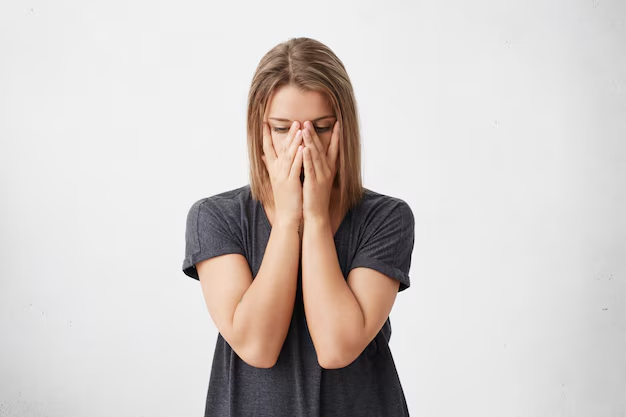
Panic

  • Depression is a common and serious mental health condition that affects how a person feels, thinks, and handles daily activities. Here’s an overview of its key aspects

What is a Panic Attack?

  • A panic attack is a sudden surge of overwhelming fear or anxiety that triggers severe physical reactions, often occurring unexpectedly or in response to a specific trigger.
  • Symptoms typically peak within 10 minutes and can last for up to 30 minutes or more.

2. Symptoms of Panic Attacks

  • Physical Symptoms:
    • Rapid heartbeat or palpitations.
    • Sweating or chills.
    • Trembling or shaking.
    • Shortness of breath or a feeling of choking.
    • Chest pain or discomfort.
    • Nausea or abdominal distress.
    • Dizziness, lightheadedness, or feeling faint.
  • Emotional Symptoms:
    • Feelings of unreality or detachment from oneself (depersonalization).
    • Intense fear of losing control or “going crazy.”
    • Fear of dying.

3. What is Panic Disorder?

  • Panic disorder is characterized by recurrent and unexpected panic attacks. Individuals may develop a persistent fear of having additional attacks, leading to avoidance behaviors or changes in behavior.

4. Causes and Risk Factors

  • Genetics: Family history of anxiety disorders can increase risk.
  • Brain Chemistry: Imbalances in neurotransmitters may contribute to panic disorder.
  • Environmental Factors: Stressful life events, trauma, or significant changes can trigger panic attacks.
  • Personality Traits: Individuals who are more prone to stress or have certain personality traits may be at higher risk.

5. Diagnosis

  • Diagnosis is made by a mental health professional through interviews, assessments, and ruling out other medical conditions that could cause similar symptoms.

6. Treatment Options

  • Psychotherapy:
    • Cognitive Behavioral Therapy (CBT): A common approach that helps individuals identify and change negative thought patterns associated with panic attacks.
    • Exposure Therapy: Gradually exposing individuals to the sensations of panic in a safe environment to help reduce sensitivity.
  • Medication:
    • Antidepressants: SSRIs and SNRIs are often prescribed to help manage symptoms.
    • Benzodiazepines: Sometimes used for short-term relief, but there’s a risk of dependence, so they are typically prescribed for limited durations.
  • Lifestyle Changes:
    • Regular exercise, a balanced diet, and good sleep hygiene can help manage anxiety and reduce panic attacks.
  • Relaxation Techniques: Mindfulness, yoga, and deep-breathing exercises can help reduce overall anxiety levels.

What our clients say

More than 250 five-star reviews on Google
5/5

Mental Care has an online platform that is easy to maneuver. Overall my experience has been great being that it is my first time going to therapy/ tele therapy. I appreciate how safe and comfortable my therapist has makes me feel.

5/5

Extremely present and responsive team of providers. You can feel they are here to help you improve your quality of life, whether that is working to find a medication with them or continuing therapy and alternative life changes outside of this practice.

5/5

This is an incredible practice with highly skilled providers who attend appointments on time and who successfully balance efficiency with warm, empathic care. Highly recommend!!

5/5

Without good mental health, it can be difficult to manage daily stressors and challenges, which can lead to negative consequences in all areas of life.